
AI Should Deepen Human Judgment Instead of Erasing Apprenticeship
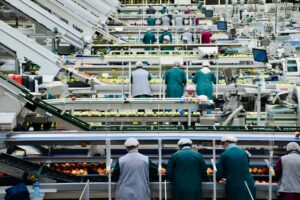 Photo by Arno Senoner on Unsplash
 Every profession contains humble work that looks expendable from above. The junior analyst gathers figures. The new lawyer organizes documents. The beginning marketer drafts variants. The research assistant cleans data. These tasks are easy targets for automation because they are repetitive and time-consuming.
They also have another function; they are how people learn what good work looks like.
That makes the latest employment evidence from the Stanford Digital Economy Lab more than a labor-market statistic. Using ADP payroll records covering millions of U.S. workers through June 2026, Stanford reports that employment among workers ages 22 to 25 in highly AI-exposed occupations is about 19% below where it would be if it had kept pace with similarly aged workers in less exposed occupations. The comparable measure was 15% in the July 2025 data. Much of the adjustment manifests through reduced hiring, especially where AI use tends to automate human tasks. Experienced workers show no comparable gap.
The moral and organizational mistake would be to treat the routine work of beginners as mere waste. Human expertise is built through repeated encounters with ordinary cases until the unusual case becomes visible.
This fits a deeper humanist concern. The Humanist has warned about the dangers of artificial intelligence in terms that reach beyond technical performance to human agency and social choice. Work deserves the same scrutiny. The important question is not simply whether a model can produce the first draft. It is whether the workplace that adopts the model still develops people who can recognize when the draft is wrong.
Employers can preserve that developmental function without preserving pointless busywork.
Automate routine preparation, then move junior workers earlier into verification. Ask them to trace claims back to evidence. Have them compare the model’s answer with the underlying record and explain discrepancies. Give them exceptions rather than strictly clean cases. Let them handle the customer request that does not fit the script, the financial result that contradicts expectations, or the policy question with competing values.
Then make experienced judgment visible. A senior colleague should explain why a case was escalated, which cue mattered, what evidence changed the decision, and what would have made the opposite answer reasonable. That turns expertise from a private intuition into something another person can learn.
The resulting workplace is more human, not less technological. AI handles repetition. People spend more time on interpretation, responsibility, communication and learning from one another.
Organizations should measure whether that actually happens. Alongside cost savings and output, track time to independent competence. Count supervised judgment reps. Measure how accurately junior employees identify exceptions and when they escalate. Watch rework rates after responsibility expands.
Those measures force leaders to confront a tradeoff that conventional productivity metrics hide. A department can save 20% of labor hours and still weaken itself if its next generation of experts takes twice as long to emerge. Another department can automate the same work, reinvest the time in coached decisions, and end up both faster and more capable.
A human-centered approach to AI should therefore reject the false choice between protecting obsolete tasks and surrendering the career ladder. We do not need to preserve every first draft, spreadsheet cleanup or routine query. We do need to preserve the sequence of experiences through which a novice becomes trustworthy.
Human beings are not valuable because we are slower versions of a language model. We are valuable because we can take responsibility, notice context, weigh competing goods, learn from consequences and help other people develop those same capacities.
The best use of AI at work is to create more room for those human capabilities to mature.