
FIRST PERSON | We Exist, We Resist, We Are Not Invisible: Queer, Atheist, and Humanist Refugees in South Sudan
September 3, 2025: Read an update from author Abraham Junior at the bottom of this post.
“When home becomes a battlefield, survival itself becomes an act of defiance.”
Introduction: Living on the Edge of Existence
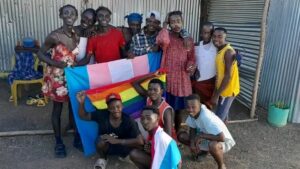
My name is Abraham Junior. I am a queer leader, a humanist, and an atheist (ex-Muslim) refugee living in the Gorom Refugee Settlement Camp in South Sudan. I belong to a fragile and persecuted community of LGBTQIA+, atheist, and humanist refugees and asylum seekers — many from Uganda, Rwanda, Burundi, the Democratic Republic of Congo, and other Great Lakes countries — forced to flee because of who we are and what we believe.
This is not just my story. It is our collective voice — that of queer refugees, atheist friends, transgender siblings, lesbian sisters, and many HIV-positive individuals who continue to fight for survival. Our stories are rooted in East Africa, where state violence, religious persecution, and societal hate combine to crush our identities. Yet, we are still here.
The Ugandan Nightmare: Identity as a Crime
In Uganda, being LGBTQIA+ is criminalized. Non-religious people are often branded as “evil” or “possessed.” For those of us who are both queer and non-believers, life becomes nearly impossible.
Many in our community have survived horrors:
- Corrective rape of lesbian women, intended to “cure” them.
- Public beatings, stonings, and burnings of transgender individuals.
- Forced religious exorcisms targeting bisexual and atheist individuals.
- Police blackmail and family betrayal leading to arrests or violent attacks.
- Forced annual “medical” examinations to assess one’s gender or sexuality.
We did not want to leave our homes. But we had no choice. Survival became our only goal.
Kenya: The Mirage of Safety
We thought crossing into Kenya and registering in places like Kakuma Refugee Camp would bring safety. That dream quickly turned to ash:
- Fires were deliberately set on LGBTQIA+ shelters.
- Sexual assaults and gang attacks occurred regularly.
- Lesbian sisters were forced into sex work to survive, leading to unwanted pregnancies, fatherless children, and transmission of HIV.
- Hostile authorities blamed us for the violence we endured.
- Isolation, hunger, unemployment, and targeted arrests became the norm.
Despite our peaceful protests and appeals to UN agencies, many were punished instead of protected. Eventually, fleeing again became the only option.
In broad daylight, Kenya’s commissioner publicly declared that there was no room for LGBTQIA+ community members in the country. We were told to leave and seek safety elsewhere.
South Sudan: Exile Inside Exile
South Sudan is deeply conservative and religious. Same-sex relationships are taboo. Gender diversity is rejected. Atheism is feared.
Gorom Refugee Settlement, a small camp outside Juba, was supposed to be our last refuge. But even here, danger follows us. In December 2024, the camp was attacked by members of the host community. LGBTQIA+ refugees were specifically targeted — tents were slashed, people beaten and robbed. When police arrived, they arrested us — including two gay men who were only released after bribes were paid. None of the attackers were punished.
My transgender sister, Ciara, bears physical scars from repeated attacks. She has been stoned while collecting water, mocked in public, and denied healthcare. Her story is one of thousands.
Amid an ongoing civil war, gunfire between government and rebel forces often surrounds our camp, traumatizing us daily.
Women and Children: Vulnerability and Survival
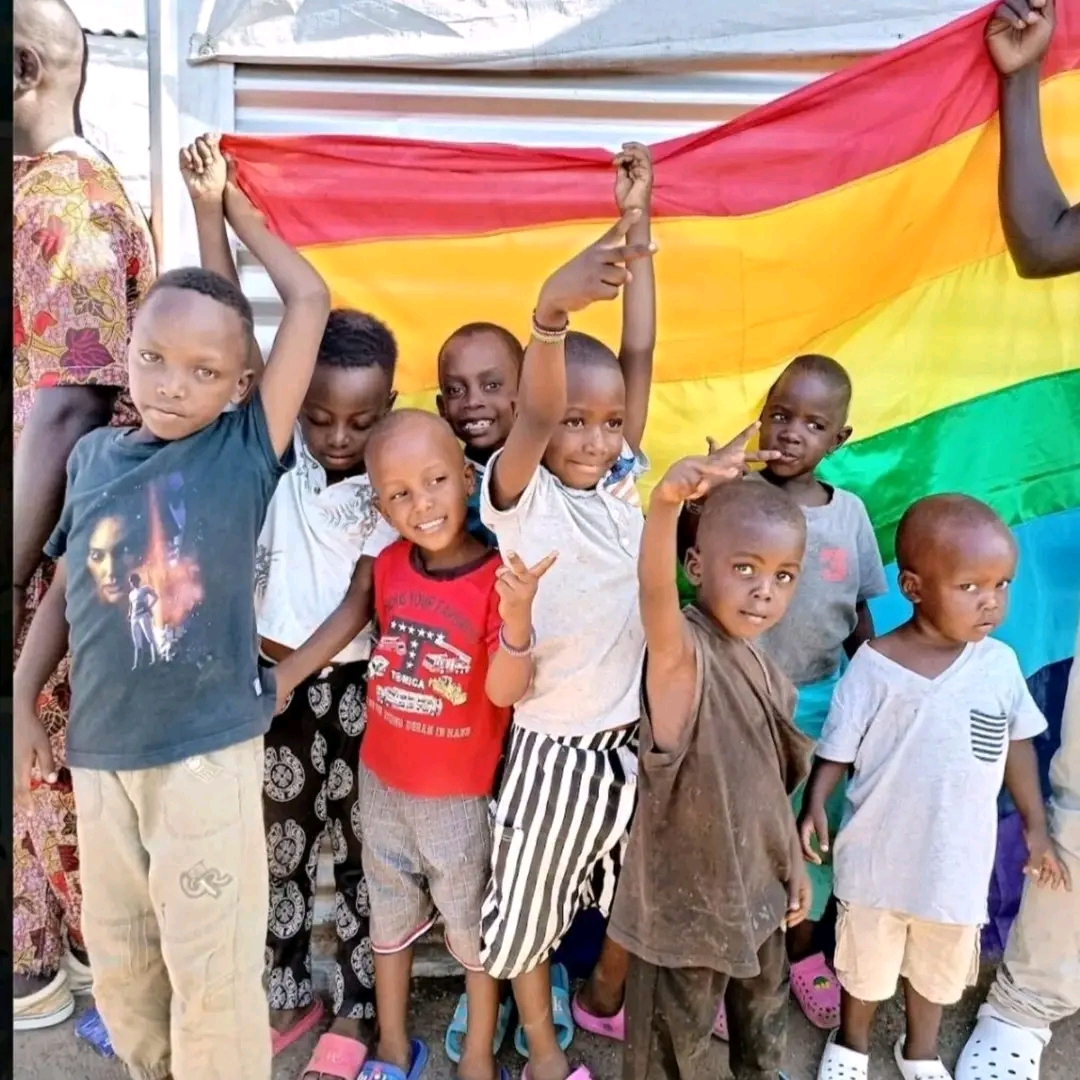
Lesbian sisters face impossible choices. Many have turned to sex work for survival — not out of desire, but desperation. Rejected by families, denied jobs, and cut off from education, they live with constant threats of violence and exploitation.
One sister confided, “I sell my body so I can eat. I hate it. But what else can I do?”
Children in our care face systemic rejection. Schools deny admission, teachers bully them, and classmates ridicule them. Without access to education, these children are robbed of a future before it begins.
Living with HIV: Fighting Stigma and Neglect
Many in our community live with HIV. Clinics are far away, understaffed, and often hostile to queer and trans individuals. Medication frequently runs out. Many avoid seeking help out of fear of exposure and discrimination.
Living with HIV is already difficult. Living with HIV as a queer refugee in South Sudan is a daily battle against both disease and stigma.
The Trauma of Conversion Therapy
Many of us carry invisible scars from conversion therapy: forced religious rituals, fasting, prayer sessions, verbal and physical abuse — all meant to “cure” us.
Even in camp, some hide their identity to avoid more religious “interventions.” UNHCR staff have advised us to “keep a low profile.”
No Safe Spaces, No Protection, No Voice
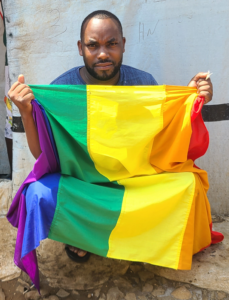 There is no LGBTQIA+ community center. No legal aid. No safe health care. When we are attacked, we have nowhere to go. Police do not protect us — they extort and arrest us on false charges.
We are not seen as victims. We are seen as easy targets.
UNHCR South Sudan: A Vital Yet Delayed Lifeline
UNHCR acknowledges our extreme vulnerability. Some of us have been profiled and told we qualify for resettlement. We call this our pathway to safety.
But that process is on hold. We wait, month after month, hoping for a chance to live free.
We deeply appreciate the efforts of some individual UNHCR staff, but the system moves too slowly for people in daily danger.
A Collective of Resilience: Voices from All of Us
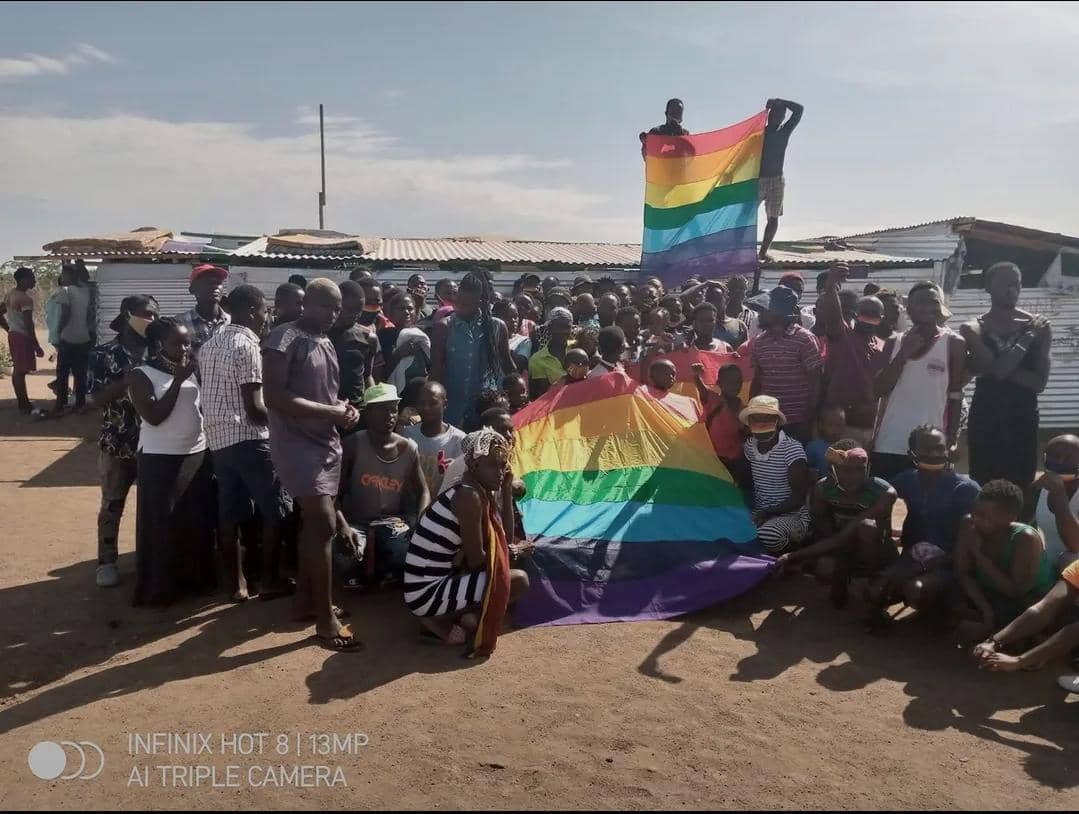
We are Ugandans, Rwandans, Burundians, Congolese, and Sudanese. We are gay, lesbian, bisexual, transgender, non-binary, atheist, and humanist. We are HIV-positive fighters, sex workers, and children of persecution.
Despite everything, we survive. We share food. We gather in secret. We support one another. Our survival is resistance.
Urgent Crisis: Forced Eviction from Gorom
On May 14, 2025, a meeting was held in Gorom Camp with the Government of South Sudan’s CRA commissioner and UNHCR’s Assistant Commissioner, Madam Gloria. LGBTQIA+ community members were told to vacate the camp within 10 days.
We were not allowed to ask questions. The order was clear: disperse throughout Juba or face court charges.
This is an urgent threat to our lives. We are frightened, unsupported, and at risk of violence, abuse, and homelessness. We ask for immediate international intervention.
A Call to Action: Stand With Us
To everyone reading this — in Africa or abroad — we ask:
- Advocate for LGBTQIA+ protections in African refugee contexts.
- Push governments and agencies to accelerate resettlement of high-risk refugees.
- Donate to grassroots refugee-led organizations.
- Share our stories in media, parliaments, queer communities, and schools.
- Confront myths and hate with truth and solidarity.
We are not nameless. We are not invisible. We are human.
We exist. We resist. We endure. We want to love, contribute, heal, and thrive. With your support, we will.
Update from Abraham Junior, 9/3/2025:
First, I want to sincerely thank the American Humanist Association team for the incredible work you are doing from a humanist standpoint. By granting me the opportunity to publish my/our article in The Humanist, you gave our community of queer, atheist, and humanist refugees in South Sudan a voice where there was once only silence. Without your ear and your willingness to amplify our story, we would still remain invisible to much of the world.
This article is not just my words; it is the lived picture of our humanity, our struggles, and our resilience.
Our Situation Since May 2025
When my original article “We Exist, We Resist, We Are Not Invisible” was published in May 2025, I hoped it would draw international attention to the plight of LGBTQ+, atheist, and humanist refugees in South Sudan. In the months since, our situation has only grown more precarious.
Our transgender sisters and brothers remain the most visible and therefore the most endangered in our community. They face daily harassment, denial of safe housing, violent threats, and complete exclusion from essential services inside Gorom Refugee Settlement. For trans people, every day is a fight to survive in a place where visibility itself can mean danger.
On 23 August 2025, the Commissioner of the Commission for Refugee Affairs (CRA) issued the fourth eviction order since last publication, demanding that we leave Gorom by the 25th of August. Heavy rains may have delayed enforcement, but we live in constant fear of violence and displacement, never knowing when the threats will be carried out.
Grateful But Still in Peril
We want to be clear: we are grateful to South Sudan. Since fleeing Uganda, Rwanda, Burundi, the DRC, Sudan, and Ethiopia—countries that all failed to protect us—we have at least remained alive here. Survival, however, is not the same as living.
While we are hosted in South Sudan, we have been denied the ability to advocate for our rights, to access enough food and medication, or to secure safe spaces. This limbo leaves our community in perpetual trauma. Many of us live with mental health struggles, depression, and suicidal thoughts. The eviction orders and restrictions have also increased hostility from the host community and even non-LGBTQ+ refugees in the camp, who sometimes deny us services and issue death threats against our trans friends.
A Call for Urgent Support
Today, we make a special plea to allies: help us secure a safe house in Juba town for at least for (10) trans folks. Even if it is only “1% safer” than Gorom camp, it would give them relief from the constant threats and harassment they face.
Anyone willing to collaborate and stand with us, kindly reach out to the American Humanist Association at editor@thehumanist.com and they will pass along resources and ways to support our community.
We also recognize and appreciate the efforts of UNHCR South Sudan team, which continues to search for durable solutions for us. Some of our members have already been granted resettlement slots in Canada, and we pray that they will soon find safe haven there. To our readers: if you know organizations, private sponsors, or relocation programs willing to help, please connect with us.
We long for a future where love is celebrated, where health care, education, and job opportunities are available to all, and where we can rebuild our lives in dignity and safety.
Real Voices from Gorom (Names Withheld for Safety)
J, lesbian, 28 – “I was assaulted in Uganda, and here in Gorom I still face harassment. My child is denied education and I often go to sleep hungry. I only want a place where we can be safe and she can go to school.”
Ciara, trans woman, 26 – “I was attacked twice inside the camp. Each time, no justice was given since I fear to report to police. I live every day afraid of being killed just for existing as myself.”
Charity, 24 HIV+ – “I was forced into sex work to survive. Even now, I am denied services at the clinic. I want to live where I can be treated like a human being.”
Wise, trans man, 32 – “I was beaten and refused treatment at the camp clinic. I hide every day. My only wish is to live openly without fear.”
R, gay man, 35 – “In Rwanda I survived ‘conversion therapy.’ I still carry deep trauma. Here, I face death threats and constant fear. I just want peace and dignity.”
Our voices are not only cries of suffering—they are calls for solidarity. The humanist community has already shown us compassion by listening and amplifying our story. We now ask the wider world to join in, to help us survive today, and to build a tomorrow where no one is punished for who they are or what they believe.