
What Our Summer Interns Learned This Year
Each summer, the American Humanist Association welcomes a cohort of interns who bring fresh perspectives, sharp questions, and endless energy to our organization. Our internship program isn’t just about padding resumes; our aim is always to cultivate future leaders who are grounded in humanist values: critical thinking, compassion, and a belief in human dignity for all, and empower them to make a difference during their time with us.
Earlier this summer, we introduced you to our summer class of interns – Lineth and Cate, and Daniel and Gabriella. Over the past couple of months, they have dove head first into a number of projects, from partner toolkits for state legislative advocacy, to establishing a grant program for LGBTQ+ youth organizers, to completely revamping our educational resources. More than that, they brought heart, insight, and a hunger to make the world better.
In their words, here’s why their experience with the AHA mattered.
TH: So, what did you learn this summer?
Lineth: This summer, I was able to learn how to approach advocacy in a way that feels real, personal, and people-centered. I found myself engaging with issues I truly care about and learning how to communicate them in ways that are clear, accessible, and grounded in intention. Working on projects like the advocacy toolkit and the theocracy tracker pushed me to think carefully about how information is presented and who it’s for. I had to constantly consider what people need to know, but how to present it in a way that makes them feel informed, supported, and capable of taking action. That process helped me grow, not just as a researcher or communicator, but as someone learning and wanting to make advocacy more inclusive and approachable.
I’ve come to connect with many values that shape this work: compassion, critical thinking, and the belief in the potential of people to make meaningful change. This internship reminded me that good advocacy is not just about being persuasive; it’s about listening, building relationships, and staying grounded in why the work matters in the first place. I’m leaving this experience with stronger skills, a clearer sense of purpose, and a greater commitment to the kind of advocacy that brings people in and helps them feel seen.
Gabriella: As I came to know and appreciate the diversity of the Humanist movement, this internship empowered me to navigate the intricacies of communicating across generational and ideological divides. I saw how empathetic, accessible communication can absolutely make a difference in both drawing people in and cohering such a multifaceted community. Planning the “Engaging Gen-Z” webinar, for example, forced me to think strategically about bridging a decades-long gap between different generational worldviews, crafting questions that would resonate with older audiences while equally reflecting the raw and honest perspectives of the younger intern panelists. Similarly, writing scripts for the new Humanism 101 video course meant distilling complex philosophical concepts into understandable language while also promoting curiosity from the viewer. These projects showed me that effective communication is about understanding both your own and your audience’s perspectives fully enough to meet others where they are and bring them along with you.
Because Humanism goes against mainstream religious and cultural currents, it requires people to articulate why they believe what they believe in ways that are not always common in other intellectual or activist communities. At the conference, I watched participants naturally share their personal, often vulnerable journeys to Humanism. They discussed not just what they believed, but how they arrived there and how it shaped their daily lives. Once that emotional foundation and mutual understanding was established, conversations became remarkably deeper and more meaningful. It made me realize that when a community encourages people to explain their underlying worldview rather than just their surface opinions, it creates space for dialogue that is richer, more meaningful, and less prone to breaking down during moments of disagreement. These new outlooks that I have gained throughout the internship have been invaluable in understanding the interpersonal dimensions that undergird the organizing and education work I hope to do more of in the future.
Cate: I’ve learned so much this summer at my internship with the American Humanist Association! For me, the most inspiring and informative thing about this experience has been getting to meet all the wonderful people who work here. Working in a non-profit has the reputation of being quite depressing, especially considering the state of the country right now, and the fact that a lot of the social justice and human rights battles we are fighting can feel pretty unwinnable at times. However, everyone I’ve met at the AHA has the most wonderfully cheerful and friendly attitude, even in the face of difficult challenges. I have a ton of admiration for the optimistic attitudes that the AHA staff are able to maintain while still being informed about everything that is going on in the world.
I also learned a ton about what it takes to be a successful organizer who is capable of getting people to rally around a cause and fight to make a real change. Meeting with so many group leaders helped me realize just how far friendliness can take you in terms of making connections and getting people to actually join your group and start showing up to events.
Daniel: I had a great time at the American Humanist Association this summer. I grew a lot, especially now that I’m done with university, so my internship was, in some ways, the perfect gateway to the “real” world. Oooooh. The summer internship with the American Humanist Association taught me, on the most basic level, that I don’t have to, and should not compromise my values for the sake of my work. To feel heard and to listen in this life is something of deep reward, and to be in a space where the people around you want nothing but to listen, to take time for each other? It’s really wonderful. I mean, it’s in the name after all: humanism.
TH: What was your favorite memory or moment from conference?
Daniel: It has to be speaking on the panel. So cool! Also just having the chance to talk with so many people, hearing their beliefs and where they’re emotionally calling from.
Lineth: One of my favorite memories was spending time at the merch table with the other interns. It was a simple moment, but it gave me a sense of connection and teamwork. The banquets were also a lot of fun, where getting to talk with AHA staff felt welcoming and lighthearted.
Gabriella: It might sound simple, but I truly loved working the merch table with the other interns and staff. The unstructured time opened up the opportunity to get to know some of the wonderful staff members that I had previously only met over Zoom, as well as get to chat with the full array of conference-goers. Selling bucket hats and sweatshirts luckily gave me face time with so much diversity in backgrounds, professions, and motivations that those in the Humanist movement hold.
Cate: I had so much fun hanging out with the other interns and exploring Chicago. I feel so lucky to have made such wonderful friends through the AHA that I never would have met otherwise, and the time we spent wandering around Chicago was super delightful!
TH: And your favorite part about interning in DC?
Gabriella: Although the larger moments are unforgettable—from seeing Senator Bernie Sanders speak in person to watching the sunrise over the Washington Monument as we took off for Chicago—it was the day-to-day moments that proved most fulfilling: listening to my podcast during the bus commute from Georgetown, having lunchtime conversations with my fellow interns, and knowing that each work day could end with exploration of a historic city.
Lineth: What I appreciated most about interning in DC was the routine of coming into the office. Taking the metro, grabbing a coffee, having lunch with fellow interns, and speaking in person with staff made the experience feel genuine and engaging. It helped me build a professional rhythm that I thoroughly enjoyed. The city also offered plenty of opportunities to visit free museums and attend events, which made summer even more enjoyable.
Daniel: The city itself. I met a man at a bookstore who said the people of DC are in love with words, not just the rhetoric in which our values are often compiled and drummed out, but the idea of the word itself. In any given sentence spoken here there is a city and a body, something, a world in itself, to be fleshed out and raised up. It was good, amidst that, to work in a place that held love for the person. Anyway, you’ll find a thousand things to contradict the bookseller’s Washington, and another thousand to confirm it. Come explore.
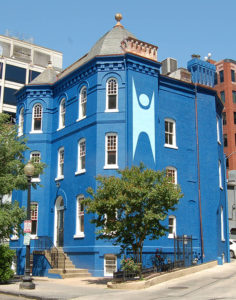
Cate: Even though I’ve lived pretty close to DC my entire life, I have never really explored the city or spent a significant amount of time here. Going into the office three times a week to work in such a beautiful building has been so wonderful and makes me look forward to going into work even more. Also, getting to see and chat with the other interns and DC staff is always fun.
And with that, we say goodbye to the AHA summer intern class of 2025! We’ll be wishing this group the absolute best as they venture forth, equipped with new skills and fresh perspectives. And of course, paying close attention to wherever their paths lead next!